Mohammad Elayan

PhD Student & Transportation Researcher

I am a PhD student in Civil Engineering at the University of Nebraska–Lincoln, with a decade of experience in transportation planning and traffic engineering, including leading roles in Dubai, UAE. My current research focuses on automated vehicle behavior and data-driven safety analysis using machine learning and artificial intelligence. I also serve as a teaching assistant and contribute to collaborative projects in AV-human interaction, traffic safety, simulation and traffic calibration.

Mohammad Elayan

About Me

Brief Background

I am a PhD student in Civil Engineering at the University of Nebraska–Lincoln, where my research focuses on the empirical and simulation-based analysis of automated vehicles behavior. My work seeks to refine AV driving and interactions in diverse traffic conditions, drawing on methods that stretch from trial-and-error to artificial intelligence..

Before starting my doctorate, I spent nearly a decade in Dubai, UAE, where I grew into a Senior Transportation Engineer role and led more than 100 transportation projects across the MENA region. These included transportation master plans, traffic impact studies, and multimodal integration projects for major developments and city-scale planning efforts. My role also involved producing traffic simulations, conducting feasibility and sustainability reviews, and developing demand forecasting models.

Academically, I hold both a Master’s and Bachelor’s degree in Civil Engineering (Transportation) from the Jordan University of Science and Technology.

In my current role as a Graduate Research Assistant, I explore the intersection of automated mobility, data-driven planning, and traffic safety, with particular interest in methods that combine spatiotemporal data, simulation tools, and machine learning and artificial intelligence frameworks to support more intelligent and adaptive transportation systems.

Civil Engineering

Transportation Engineering

AV Research

Empirical & Simulation Analysis

AI

Adaptive AV Systems

Machine Learning

Forecasting & Prediction

Safety Research

Crash Modeling & Risk Metrics

Optimization

Trade-off Navigation

GIS

Spatial Processing & Analysis

Smart Data

Calibration & Transportation Application

Latest News

January 15, 2026

Paper Accepted at IEEE IV 2026

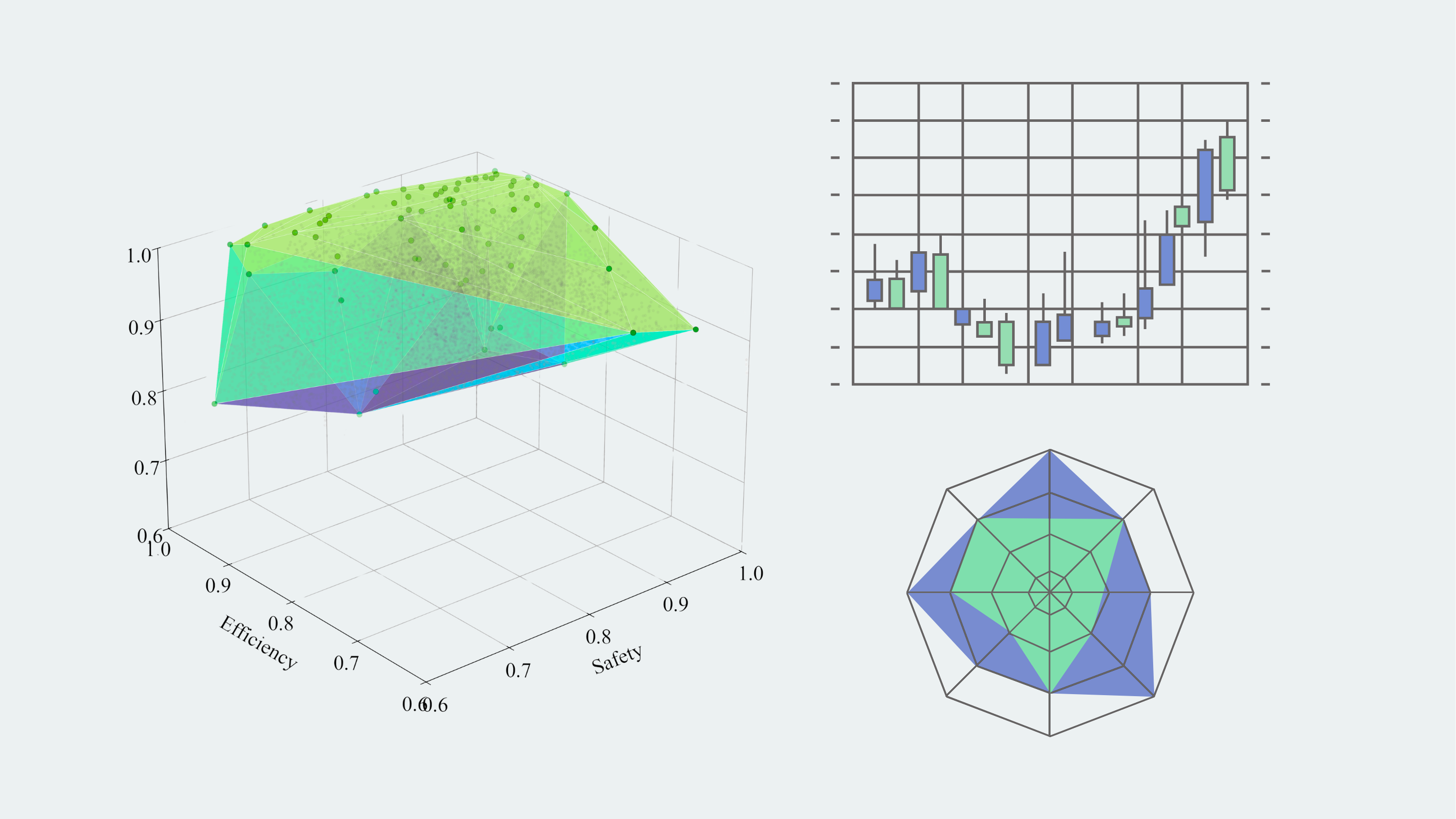
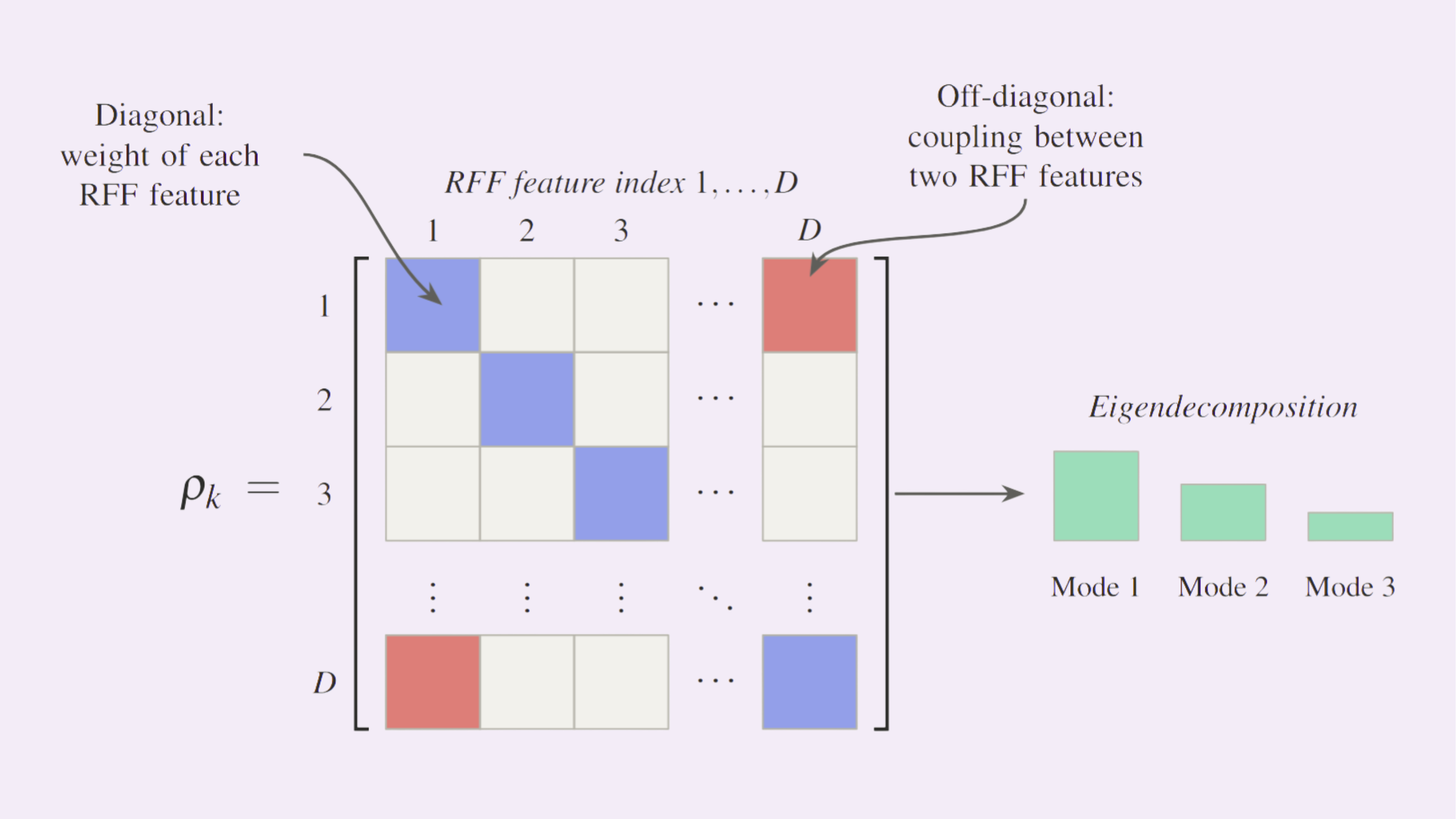
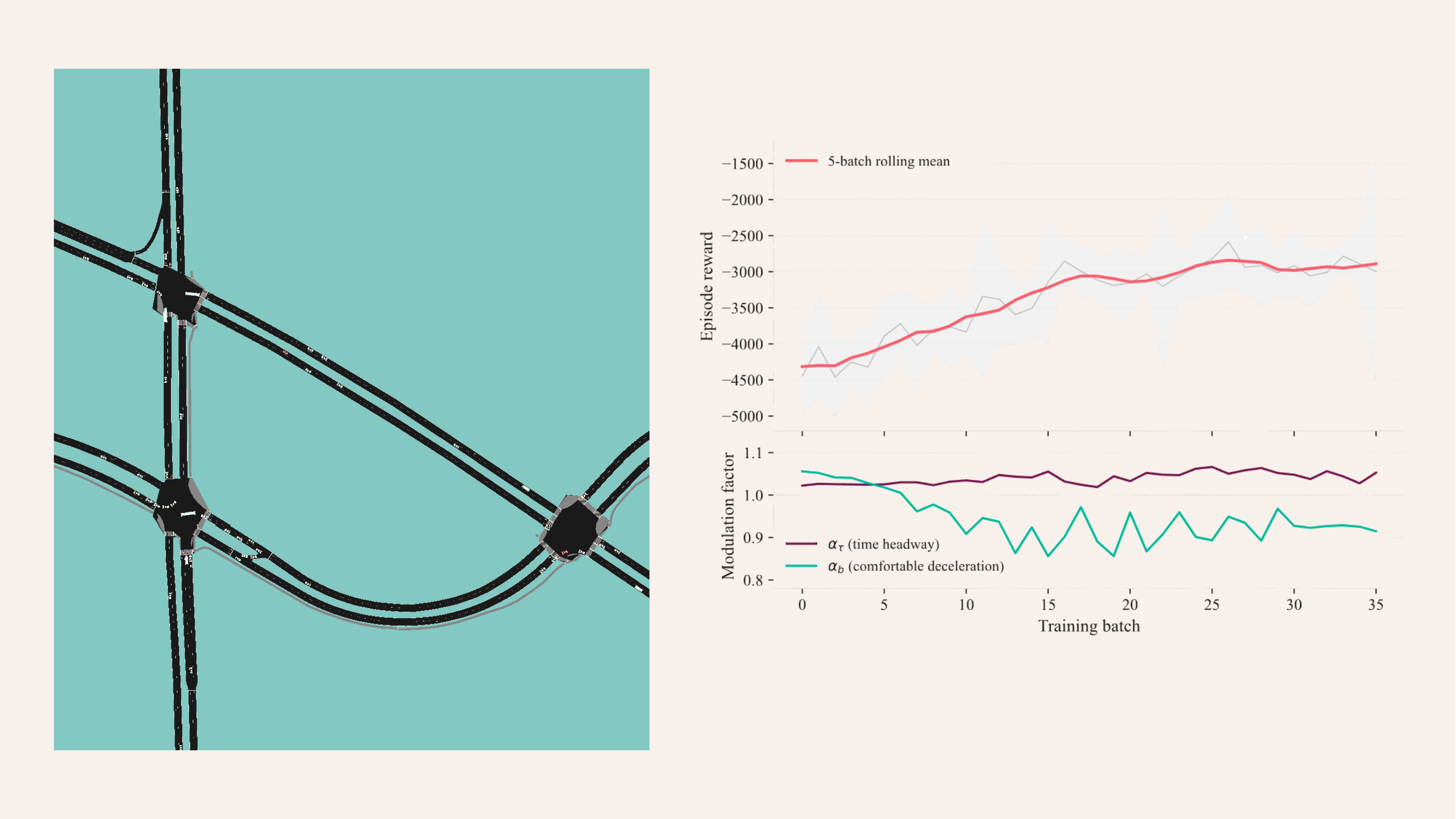
Our paper “Learning the Pareto Space of Multi-Objective Autonomous Driving: A Modular, Data-Driven Approach” has been accepted for presentation at IEEE IV 2026 in Detroit!

This work marks the first installment of Phase II of our research. By utilizing a timestep-based derivation with no access to future data, this modular framework provides a foundation for advancing consensus-aware driving through data-driven Pareto trade-offs.

November 24, 2025

Streetview Paper is Online

Our paper “Better Safety Analyses through Smarter Data: Adding Open-Street-View and Traffic-Calibrated Location-Based Services Data to Pedestrian Crash Analysis in Lincoln, NE” is officially published in the Transportation Research Record: Journal of the Transportation Research Board.

November 19, 2025

Consensus Paper Presented at IEEE ITSC 2025

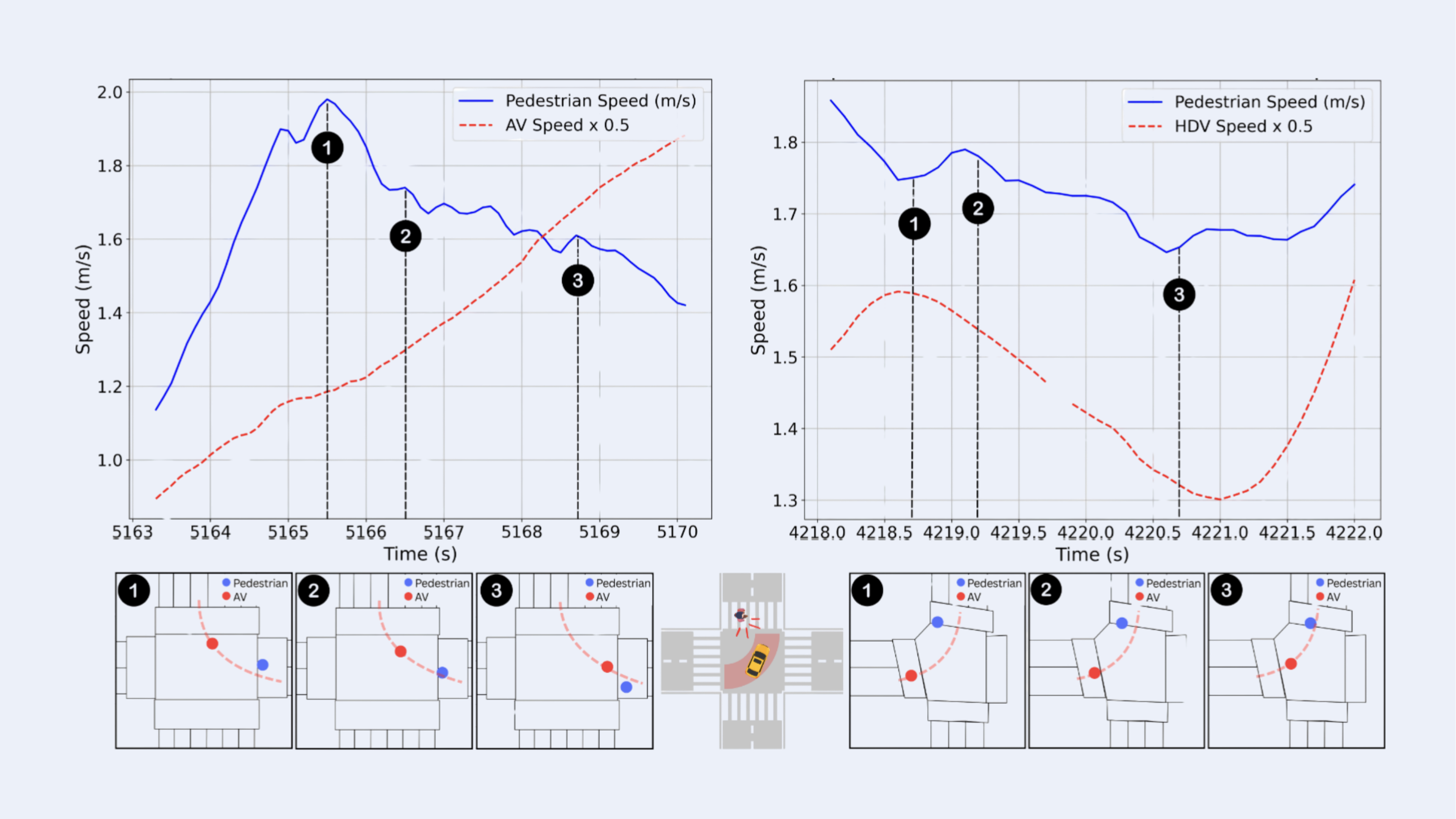
We presented our paper “Consensus-Aware AV Behavior: Trade-offs Between Safety, Interaction, and Performance in Mixed Urban Traffic” at IEEE ITSC 2025 in Gold Coast, Australia. This work is the first installment in an ongoing research line aimed at building a data-driven pathway for automated vehicles to understand real-world trade-offs, learn the multi-objective space, and ultimately reshape how autonomous vehicles are designed.

October 15, 2025

Preprint Now Available: The Empirical Pareto Frontier of Automated Driving

The first phase of our work on AV behavioral consensus design is now online: "The Empirical Pareto Frontier of Automated Driving: Consensus Across Safety, Interaction, and Traffic."

This study analyzes how automated vehicles (AVs) balance safety, interaction quality, and traffic performance using high-resolution TGSIM trajectory data from varied urban settings. Results show limited consensus across these dimensions, and an empirical Pareto frontier quantifies potential improvements and guides prescriptive AV control design.

Get in Touch

Contact Information

WHIT 362E
Prem Paul Research Center at Whittier School
Lincoln, Nebraska, ZIP 68503

Academic Profiles

Research Interests

  • Automated Vehicle Behavior
  • Traffic Safety Analysis
  • Machine Learning in Transportation
  • AV-Human Interaction
  • Traffic Simulation & Calibration
  • Data-Driven Transportation Planning